
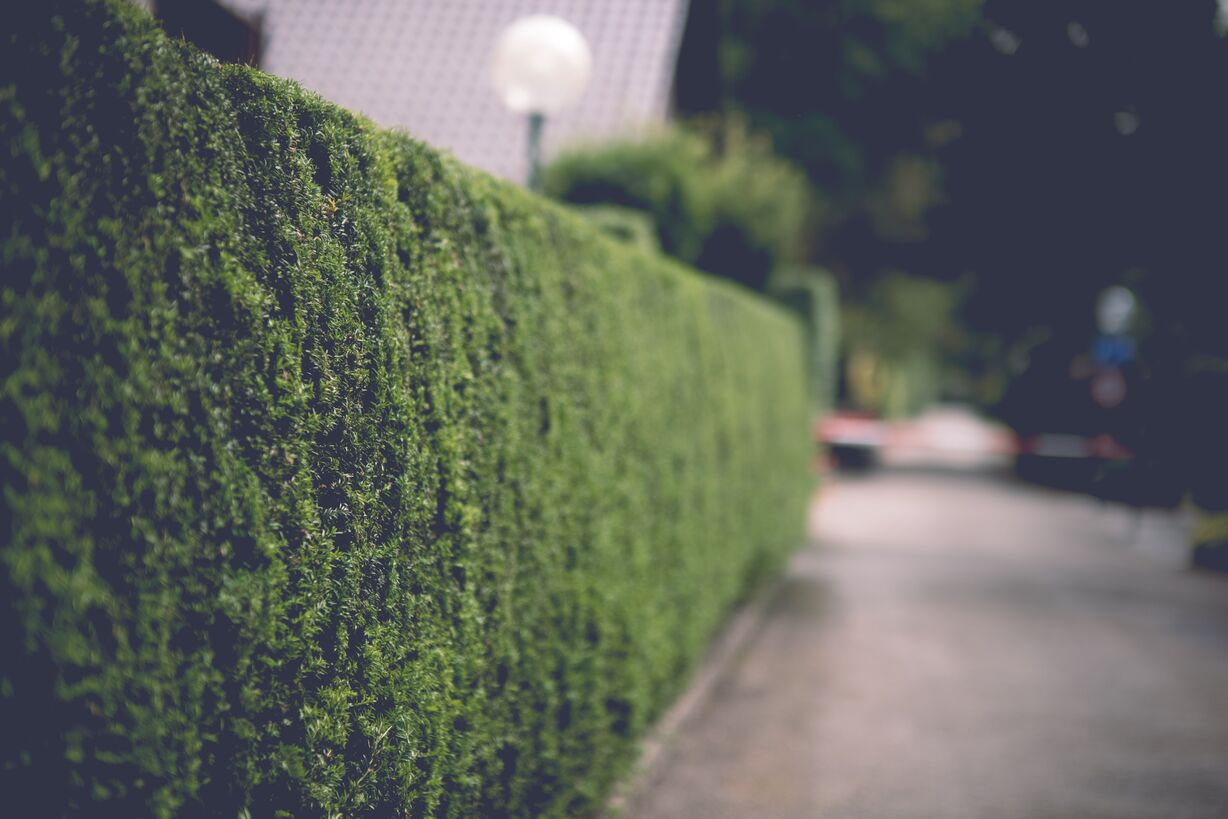
Let’s be honest for a second. Most people view hedging plants as a piece of green infrastructure—a living fence to block out the neighbours, dull the road noise, or keep the wind from battering the patio. But if you treat a living organism like a sheet of corrugated iron, it’s going to bite back eventually. You can't just slap a plant in the ground, run a pair of petrol shears over it every few months, and expect it to look like a glossy magazine cover year after year.
When it comes to building a true, long-lasting privacy screen that can handle erratic weather patterns, poor soil structure, and localized pests, you need to think like a horticulturist, not a suburban property developer. Horticultural researchers and sustainable landscaping experts have observed a massive shift away from high-maintenance, water-guzzling exotic species. Instead, modern landscape architecture is moving toward robust native flora that work with the local ecosystem rather than constantly fighting it. Among these choices, a few standout varieties offer the perfect balance of rapid growth, dense foliage, and long-term environmental adaptability.
Go into almost any mature neighborhood down under, and you are guaranteed to spot a thriving Lilly Pilly boundary wall. While there are several species within this botanical family, Syzygium australe (commonly known to growers as the Brush Cherry) has earned its place as the definitive choice for structural landscaping. The reason it has become such a ubiquitous staple isn’t just down to aesthetics—though its glossy green leaves and vibrant flushes of bronze-red new growth are undeniably striking. Instead, its popularity is driven by sheer survival mechanics.
This specific native evergreen has an incredible capacity to handle diverse climate zones, performing equally well in coastal salt winds, humid subtropical fringes, and frost-prone temperate regions. When managed correctly, a healthy Syzygium australe hedge forms an almost impenetrable sound and visual barrier, growing anywhere from 1.5 meters up to a towering 6 meters tall.
Furthermore, from a biodiversity perspective, the species provides vital ecological support. Its fluffy white spring blossoms draw in native pollinators, which are then followed by deep pink-red edible berries that sustain local bird populations. It's a plant that gives back to the environment while doing a heavy architectural job for the property owner.
However, just because a native shrub is tough doesn't mean it’s foolproof. True horticultural success requires moving past basic survival and mastering the exact parameters of spacing, structural styling, and biological maintenance.
The single biggest mistake gardeners make happens in the first twenty minutes of getting their new shrubs home from the nursery. It’s an emotional trap called the "instant gratification impulse." You look at a bare fence line, you look at your small potted liners, and you decide to cram them right next to each other so the leaves are already touching from day one.
From an ecological and long-term structural perspective, this is a slow-motion disaster.
Plants aren't modular furniture; they are highly competitive dynamic root systems. When you crowd your Lilly Pilly specimens too tightly, you set off a brutal, subterranean war for resources. The roots intertwine too early, choking out vital oxygen pockets in the soil profile and stunting the plant's overall vascular development. Worse, as the canopy thickens up top, the interior branches become so dense that they completely block out airflow and ambient sunlight. Within two to three seasons, the lower third of the hedge suffocates, drops its leaves, and you're left with a wall of bare, ugly twigs right at eye level.
To build a Brush Cherry screen that lasts for decades, you need to use a deliberate density strategy. Aiming for roughly 80cm to 100cm between the main stems gives each individual root ball enough breathing room to establish a deep, independent anchoring system. This structural spacing still allows the upper branches to weave together into a seamless green wall within eighteen months without suffocating each other.
When preparing the ground for planting Syzygium australe, avoid digging a tight, bucket-sized hole directly into compacted ground. That creates a dangerous "bathtub effect" where irrigation and rainwater pool at the base, rotting the root system out from underneath. Instead, cultivate a planting trench at least twice the width of the original nursery containers. Incorporating well-rotted organic compost or aged manure opens up the soil structure, ensuring that heavy rain drains away efficiently before root pathogens can take hold.
You’ve probably seen it driving through the suburbs: a massive, mature hedge that looks incredibly thick and vibrant on top, but the bottom meter is completely bald, revealing a skeleton of woody trunks. Most people look at this and immediately assume it’s a fungal infection, a soil deficiency, or some mysterious underground pest.
It isn't. It's a fundamental failure of geometric pruning.
The natural instinct when shaping a formal hedge is to grab the shears and cut the sides perfectly vertical—straight up and down like a concrete block. It feels logical, clean, and modern. However, look at how sunlight moves across the sky. When the sides are completely vertical, the top layer of growth naturally leans slightly outwards to maximize its sun exposure. This creates a subtle umbrella effect. Over time, that top growth blocks light from ever reaching the lower half of the hedge. Starved of solar energy, the lower leaves can no longer perform photosynthesis, so the plant systematically shuts them down to conserve its metabolic resources.
The professional fix for this issue is shifting to an "A-Frame" or tapered cut. When trimming your Syzygium australe, always keep the top slightly narrower than the base, establishing roughly a 10-degree inward slope from bottom to top. It doesn't look like a pyramid to the naked eye; it just looks like a crisp, structured vertical boundary. But that minor geometric angle allows the midday sun to slide all the way down the face of the foliage, illuminating the lowest branches and keeping your Lilly Pilly packed with thick, green leaves right down to the soil line. Gardeners wanting step-by-step pruning examples can refer to this detailed Syzygium australe growing guide.
If you cultivate older varieties of Syzygium australe, you are eventually going to encounter the dreaded "pimple leaf." It’s an incredibly frustrating sight: your beautiful, glossy new red flushes suddenly break out in bubbly, distorted blisters that warp the foliage into crumpled green masses.
For decades, traditional gardening manuals recommended blasting the entire landscape with systemic, heavy-duty chemical pesticides to eradicate the problem. However, modern environmental guidelines emphasize moving away from broad-spectrum toxins. The real culprit behind these severe outbreaks is Trioza adventicia—a tiny, highly specialized sap-sucking Lilly Pilly psyllid nymph.
When you drench your garden in harsh chemical bug killers, you do kill the psyllids, but you also wipe out every single beneficial insect in the area—including ladybirds, lacewings, and predatory wasps. Psyllids breed at an exponential rate. Once the chemical residue washes off, they return to your defenseless garden with zero natural predators left to stop them, causing a secondary infestation that is often twice as destructive as the first.
To beat the pimple bug sustainably, you must combine mechanical removal with organic suffocation:
Prune and Bin: Psyllids only target tender, brand-new red growth to lay their eggs. If you catch an outbreak early, trim off the warped tips immediately. Do not put these clippings into your home compost pile, or the nymphs will simply hatch and fly right back onto your hedge. Bag them up securely and put them straight in the municipal waste bin.
The Under-Leaf Suffocation Spray: Psyllid nymphs don't sit openly on top of the leaf; they hide inside the tiny, protective indentations on the underside of the foliage. Misting the top of your hedge does absolutely nothing. Use an organic mixture of Neem oil combined with a horticultural oil. Spray up from the bottom, completely soaking the undersides of the leaves. This leaves a safe, non-toxic oil film that physically suffocates the nymphs without introducing poisons into the local ecosystem.
Select for Genetic Resistance: If you are currently planning a new boundary project and want to avoid this headache entirely, selection is key. Look to source psyllid-resistant cultivars like 'Resilience' or 'Straight and Narrow', which feature tougher leaf cell structures that naturally prevent the nymphs from forming blisters.
A high-performing native hedge burns through a massive amount of energy. Because regular pruning forces the plant to constantly produce fresh flushes of foliage, it rapidly depletes the nutrient reserves in the surrounding topsoil. If you don't replenish these minerals correctly, the plant will experience a nutritional lockout.
Instead of guessing and applying random synthetic fertilizers, you can read your Lilly Pilly leaves like a diagnostic dashboard:
If the entire hedge slowly loses its deep green luster, turns a pale, uniform yellow, and completely stalls in growth, you are dealing with a severe nitrogen deficit. Because native plants like the Brush Cherry are highly sensitive to high phosphorus levels—which can chemically burn their specialized root structures—avoid generic, all-purpose garden fertilizers. Feed the soil with a heavily composted poultry manure or a dedicated, slow-release native blend in early spring to kickstart steady, structured growth.
If your leaves are turning bright yellow but the veins inside the leaf remain distinctly dark green, your Syzygium australe is suffering from a magnesium deficiency. This happens constantly in sandy coastal soils or right after a period of intense, prolonged rain that leaches vital trace minerals straight out of the root zone.
The fix is incredibly simple: dissolve two tablespoons of standard Epsom salts (magnesium sulfate) into a nine-liter watering can and apply it directly around the base of the affected plants. Within a fortnight, the roots will absorb the magnesium, clear the metabolic block, and return a rich, deep green color to the foliage without causing a sudden, unwanted surge in growth.
Building a great landscape isn't about controlling nature with a pair of shears and a bottle of chemical spray. It’s about understanding the basic mechanics of how a plant interacts with light, soil, and water. For broader insights on establishing sustainable boundaries, consulting resources dedicated to eco-friendly garden management can provide the biological framework needed to help your plants take care of themselves. Get your spacing right, prune with a slight taper to let the sun do its job, treat pests with a bit of ecological common sense, and your living green walls will look immaculate for decades to come.
Prisjungti Registruotis
Mūsų draugai
Emigrantams.lt - Lietuvos emigrantai.
GrožioKlubas.lt - portalas moterims apie grožį, madą ir stilių.
Suaugusiems.lt - tiesiogine to žodžio prasme ;)
Glaustai.lt - visos naujienos.
Dainos.lt - dainų žodžiai ir video.
Prognozavo.lt - ateities prognozės.
Erotinės prekes - prekės suaugusiems.
Rašyba.lt - rašybos klaidų taisymas.
